This site now runs to nineteen pages, and nobody arrives needing all of them at once. This page is the map: what to read first, what to skip until it is relevant, and why each step comes before the next one. Every step below links to the page itself — this is a sequence, not a summary.
Before you own the game
1. System Requirements. Check this before installing, not after a crash. The SSD warning on the official spec sheet is unusually blunt — Hound13 lists crashes, not just slow loading, as a consequence of installing on an HDD — and the two known crash workarounds (the -dx11 launch option, deleting GameUserSettings.ini) are worth knowing before you hit either one blind.
Your first few hours
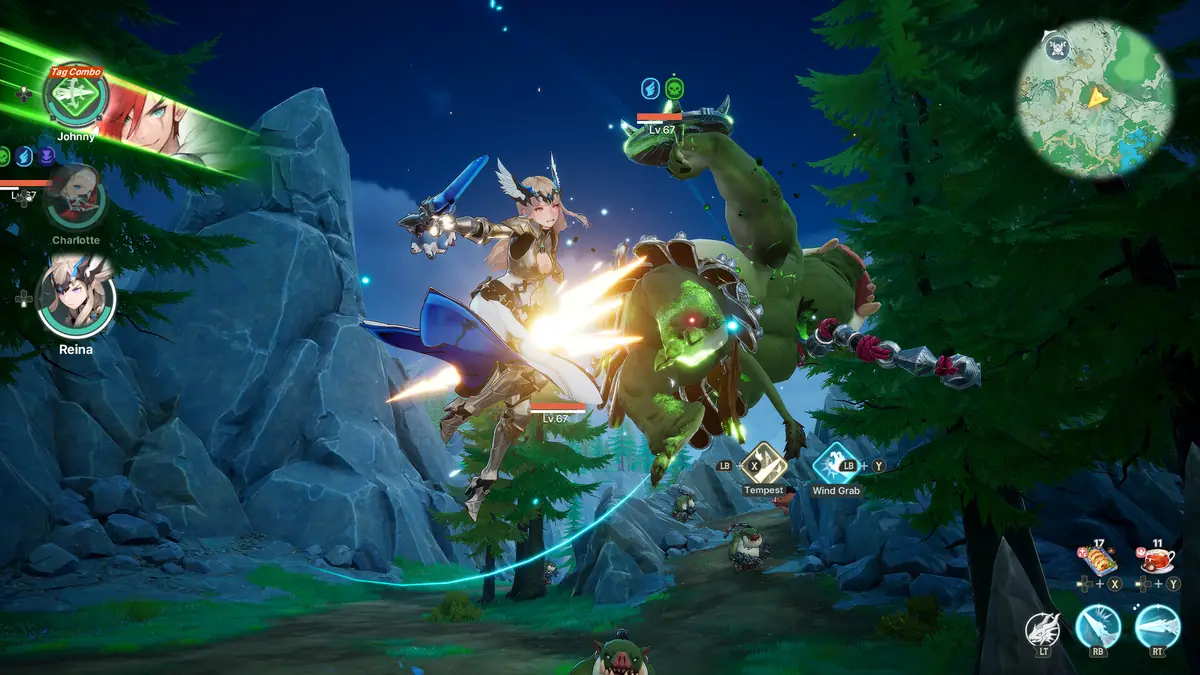
2. Beginner Guide. Start here once the game is installed. It corrects the single most common wrong expectation — this is not a roguelite, it is one persistent open world — and covers the tag-team combat loop, why cooking matters immediately, and the three known bugs worth patching around before you invest real time.
3. Status Ailments and Signals. Read this before you get attached to a starting team. It is the mechanical foundation the beginner guide only introduces: Active Skills apply an ailment, Signal Skills detonate it, switching heroes fires the detonation. Every later page about teams assumes you understand this loop.
4. Heroes: All 19 and the Hero Unlock Planner. Once you know the ailment loop, the roster page tells you which of the 19 heroes applies which ailment, and the planner tool turns that into a personal checklist — tick who you already have, and it shows how many Fate's Invitations you still owe and what to prioritize.
5. Cooking. Read this early rather than treating it as a side activity — there is no natural HP regeneration in this game, only one hero has an on-demand heal, and cooking is the entire in-combat healing economy. The three methods (Grill, Boil, Slice) and the "three 4-star ingredients make a 5-star dish" rule are worth knowing before your first real wall.
5a. Familiars. Worth a look around the same time — Sky Wolf's two-member Underwater Dash threshold and the other traversal unlocks are reachable early, five of the 29 mounts arrive automatically as Mercenary Corps rank rewards you earn anyway, and knowing which ones are DLC-only versus grindable in-game saves you from budgeting for something you can unlock for free.
Working through the story
6. Chapters and Bosses. This is the chapter-by-chapter spine of the eight-chapter story, and more usefully, it documents the three places players stall and wrongly conclude the game is broken — an overleveled optional Ent, a scripted forced-teleport that looks like a bug, and two puzzle sections that are not combat checks at all. Read this when you feel stuck, not before.
Once you are past the early game
7. Gear, Runes and Karma and the Awakening System. These two pages cover the four upgrade tracks the beginner guide only lists by name — Runes, Karma, gear sets and Awakening. Read them once you have a hero leveled and past their first Breakthrough, since multiple sources agree Awakening specifically is a mid-game investment rather than a day-one priority.
8. Team Archetypes Compared, Best Team Comps, the Tier List and the Kalsion Build Guide. Once you can see your whole roster and have real gear to allocate, these four pages work together: the archetype comparison tells you which shared-ailment direction to build toward, Best Team Comps gives you tested rotations for specific fights, the tier list shows you where the two major English rankings agree and disagree, and the Kalsion guide is a worked example of a single-hero build done in full — useful as a template even if Kalsion is not your hero.
Endgame and ongoing content
9. Bosses and the World Boss and Raid Guide. Read the boss list once Very Hard and Nightmare difficulties are live for you, and the Raid guide before you spend your first weekly Raid claim — the shared weekly claim pool across both Raids and every difficulty is the detail new players miss most, and a wasted claim cannot be undone.
10. Co-op. Relevant only once you or a friend reach the unlock point a few hours past the tutorial. Covers the 2-player subjugation cap and 3-player Raid cap, invite codes versus the Steam lobby, and what multiplayer patches have and have not fixed.
11. Achievements and the Achievement Tracker. Read the achievements page once you are past the early game and curious how your progress compares to the wider playerbase, and use the tracker tool to check off the 60 achievements as you go, browser-local with no account needed.
Staying current
12. Patch Notes and Roadmap, the FAQ, and Codes. DragonSword patches frequently, so these three are worth a periodic re-check rather than a one-time read: the patch notes page tracks what has shipped and what is only announced, the FAQ answers the price/gacha-history/platform questions newcomers ask most, and the codes page explains — with a sourced reason, not a shrug — why there is nothing to redeem yet.
Frequently asked about this guide itself
Do I need to read every page before I start playing? No. Steps 2 through 5 above are the only ones worth reading before your first session; everything from step 6 onward is meant to be read when it becomes relevant, not in advance.
I already have a team I like — can I skip the archetype and tier list pages? Yes, with one caveat: read the combat guide at minimum, because a team that does not share an ailment will never chain a Signal combo regardless of how strong the individual heroes are.
Where do the numbers on this site come from? Every page lists its sources near the bottom and states plainly what it could not confirm — see Editorial Policy for the standard the whole site follows, including why some numbers (boss HP, full recipe tables) are deliberately absent rather than guessed.
I'm trying to decide which heroes to spend Fate's Invitations on — where do I start? The Hero Unlock Planner is built for exactly this; it reads the roster page's per-hero data and lets you plan against what you already own rather than a generic priority list.
Is there a single best team in this game? No sourced page on this site claims one. The Best Team Comps guide and the Team Archetypes Compared page both document tested options rather than a single answer, and the tier list exists specifically because the two major English rankings disagree with each other.
What should I do if I get stuck and none of these pages cover it? Check the "what we could not confirm" section at the bottom of the page closest to your problem first — several pages name the exact forum threads or gaps we were not able to resolve, which at minimum tells you the question is a real one rather than something you missed.
How often does this reading order itself change? It follows the site's content, not the other way around — when a new page is added, it slots into the sequence above at whichever step matches what it covers. Check the "Last verified" date near the top of this page if you want to know how current the sequence is.
- Compiled from this site's own pages, listed in the order recommended below — no new facts, only a suggested sequence through content that already exists on this site