Valheim Death Recovery: Get Your Gear
Scope: Vanilla standard survival; world modifiers, mods and later patches can change the rules
Language: English中文
Key points
- A corpse run is a new operation: answer where the gear dropped, whether the original danger is still there, and what you need to reach it.
- Rebuild a minimum kit after respawning — spare food, Rested, and the resistance or transport the site actually requires.
- Scout before you close in, empty your pack so recovery takes fewer interactions, then retreat somewhere safe to equip and sort.
- In a group, split pulling, recovering and holding the way back; if two attempts fail, change the plan instead of repeating the dash.
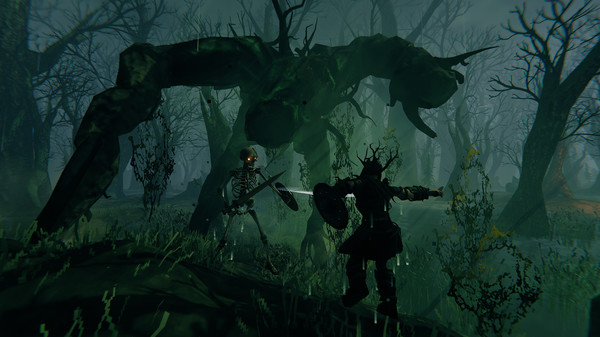
Do not sprint back to your tombstone on an empty stomach. Stop and answer three questions first: where did the gear drop, is the original danger still there, and what resistance or transport do you need to reach it? A corpse run is a new operation, not a continuation of the fight you just lost. Under default rules your items stay in the tombstone waiting for you, as described in How to play. A world's death penalty settings can change the details.
Rebuild a minimum survival kit after respawning
Eat your spare food, get the Rested buff, and take the gear you actually need to reach the tombstone. Died somewhere cold? Sort out warmth first. Somewhere poisonous? Bring resistance. At sea? Arrange a boat before anything else. Do not skimp on one supply and create a second, harder-to-reach tombstone.
Backup gear does not have to match your main set. It only has to support this one job: moving, and absorbing a small mistake. It is not there so you can clear the whole dungeon again in it.
Scout the site before you close in
Use the portal route you already have, and stop somewhere relatively safe. Look at enemies, weather and the ground; do not sprint in a straight line the moment the tombstone icon appears. If the enemies are still sitting there, pull them off, clear them, or wait for a teammate to open a window.
If the tombstone landed on a slope, in deep water or next to something large, work out how you will move after you pick it up. Getting your things back and then being unable to leave still gets you killed. Above all, do not stop to reorganise a full inventory out in the open.
Empty your pack to cut down interaction time
Carry only what you need on the way out, leaving room for the gear you are recovering. When you arrive, grab everything first, then retreat somewhere safe to equip, sort and repair. A full tombstone recovery comes with a short buff, but do not treat that as immunity to everything.
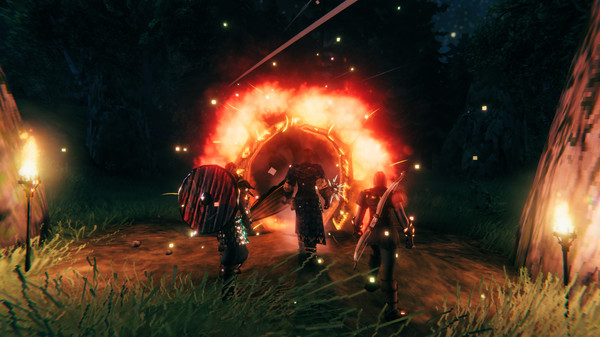
If you cannot carry it all in one go, secure the gear and key items the job needs and do the rest in batches. Do not stand there agonising over a stack of cheap material with an enemy already on top of you.
Splitting roles for a group rescue
One player pulls or handles the threats, one recovers, and anyone else holds the way back as needed. Agree on the tombstone location and the retreat direction before you start, rather than everyone chasing something different on arrival. Rescuers should bring their own supplies too, not rely on the potions in the dead player's pack.
If two attempts fail in a row, change the plan: improve the approach route, add resistance, wait for teammates, or craft better backup gear first. Running the same naked dash again is not progress, just more chaos on site.
Restock the rescue kit when you get back
Repair your gear, replace food and spare materials, and note what actually killed you. Was it the route, the weather, stamina, or an attack you did not recognise? Fixing the losses without changing the cause tends to replay the same death on the next trip. The rescue corner at home gets refilled after every use, not the next time someone dies.
Match the kit to where you died
| Where the gear dropped | Sort this out first | Why |
|---|---|---|
| Somewhere cold | Warmth | The environment is the thing that stops you reaching the tombstone |
| Somewhere poisonous | Resistance | Same reason — the original danger is usually still there |
| At sea | A boat | Arrange transport before anything else |
| On a slope, in deep water or next to something large | How you will move after you pick it up | Getting your things back and then being unable to leave still gets you killed |
Backup gear does not have to match your main set; it only has to support moving and absorbing a small mistake.
Sources
The mechanics and numbers in this guide come from the material below. Open the original pages to check them yourself.
- S001 How to play valheim.fandom.com Accessed
- S002 valheim.wiki valheim.wiki Accessed
Related guides
Valheim Mead Guide: Resist and Heal
Brew Valheim mead on the current chain: mead bases and fermenting, poison and frost resistance versus healing, and why your base is not drinkable yet.
v1.0.12Valheim Portals: Pairing and Ore Limits
How Valheim portals pair, how to check which items block teleporting, and how to name outposts so your portal network never strands you in the field.
v1.0.12Valheim Co-op: Host, Crossplay and Servers
Choose between a host-run session and a dedicated server, run a join test, work through connection problems, and set co-op rules a long world can survive.
v1.0.12
